
A reliable component for dependable cooling-tower and condenser operation
HACST cooling-system components are selected to support efficient, serviceable operation in cooling towers and evaporative condensers. Material compatibility, operating conditions, system interfaces and maintenance access should be reviewed as part of the complete equipment design.
Specified around operating conditions and site requirements
The component specification should be considered with the equipment model, process medium, operating environment, system duty and planned maintenance routine.
- Application-led selection: the configuration begins with the actual operating duty and project objective.
- Practical integration: installation footprint, access, controls and service requirements are considered early.
- Long-term operation: material, water, airflow and maintenance considerations are reviewed for the operating environment.
Configuration and performance considerations
Overview
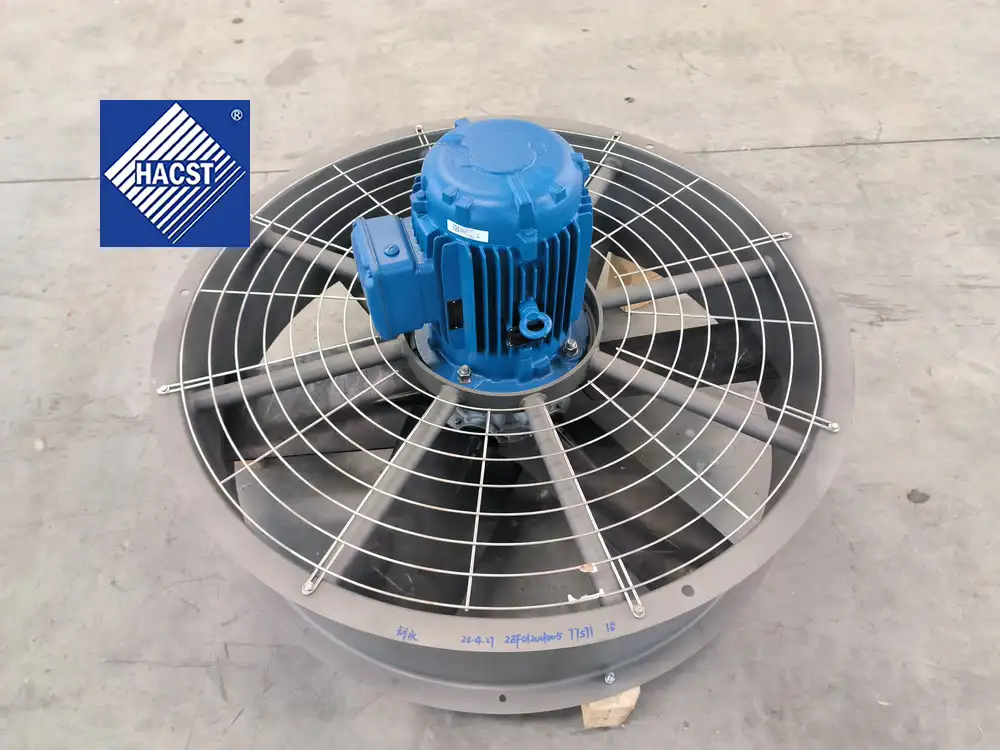
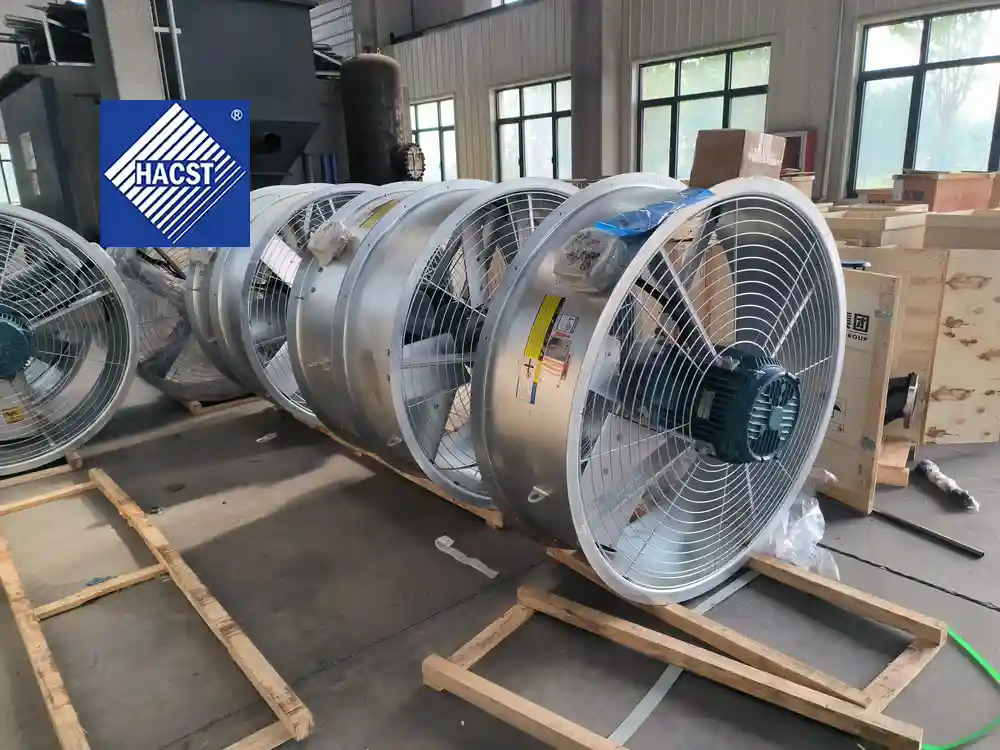
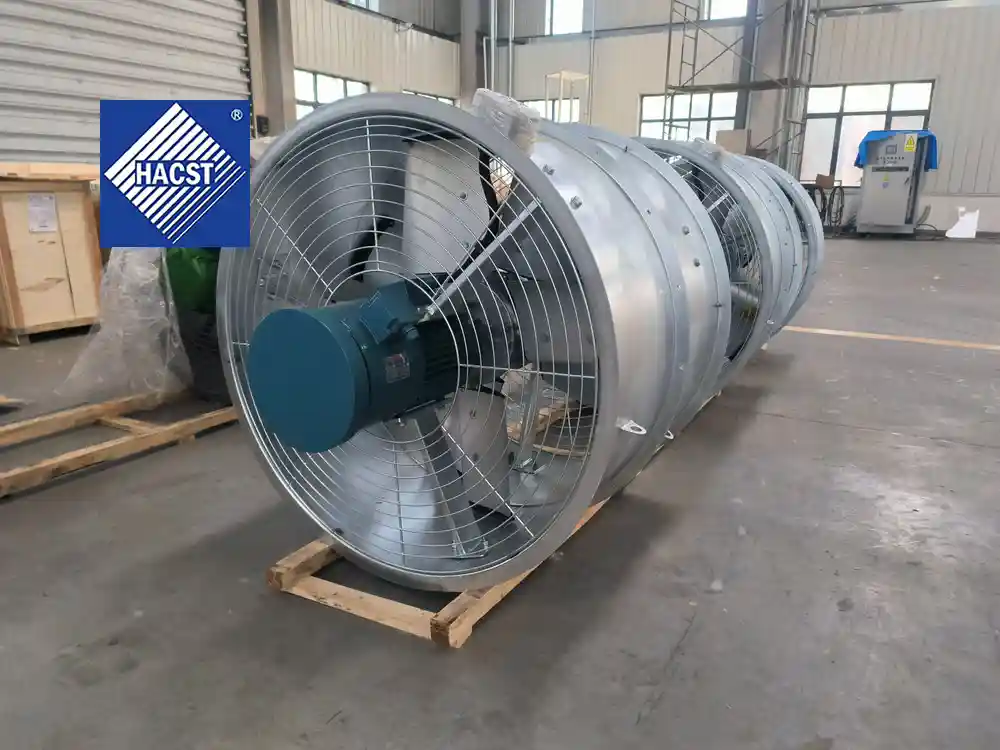
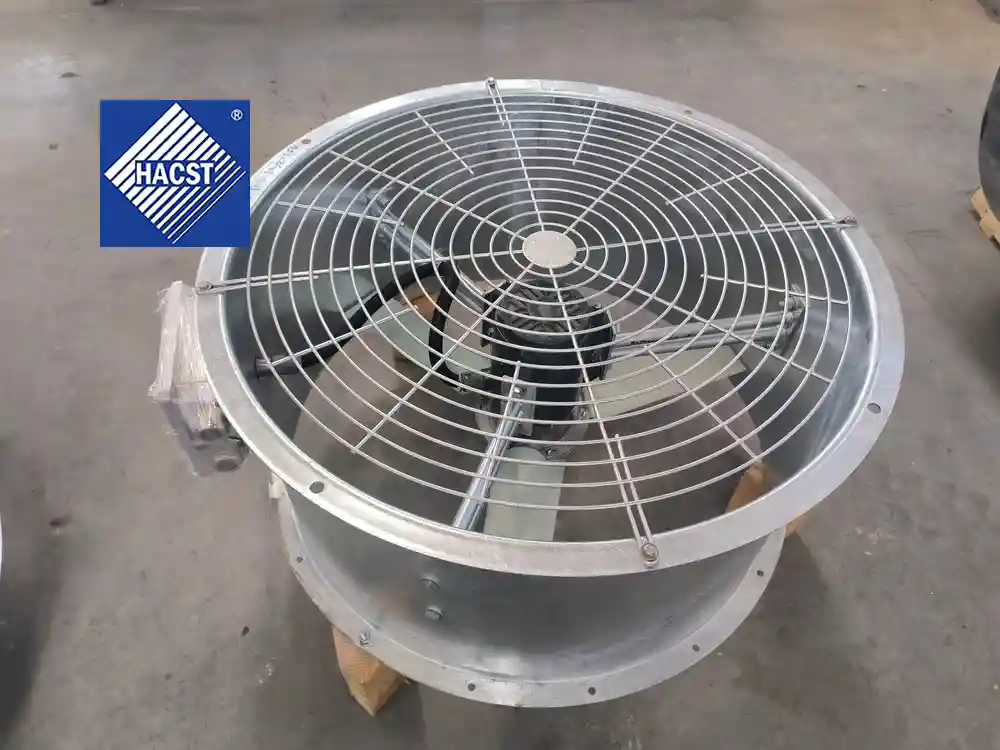
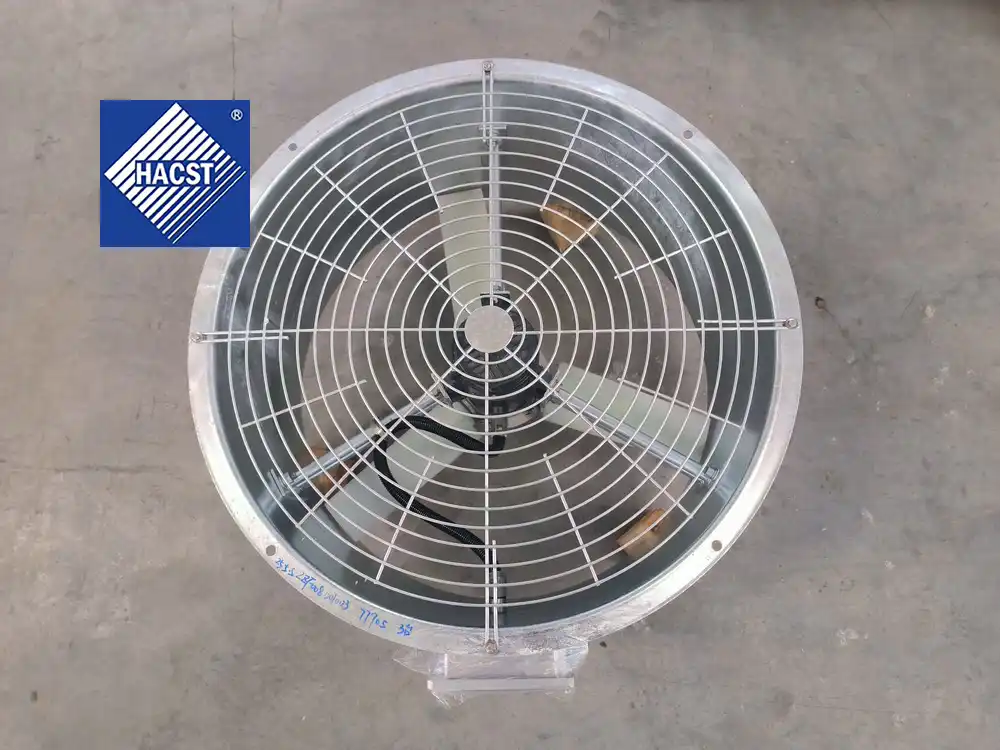
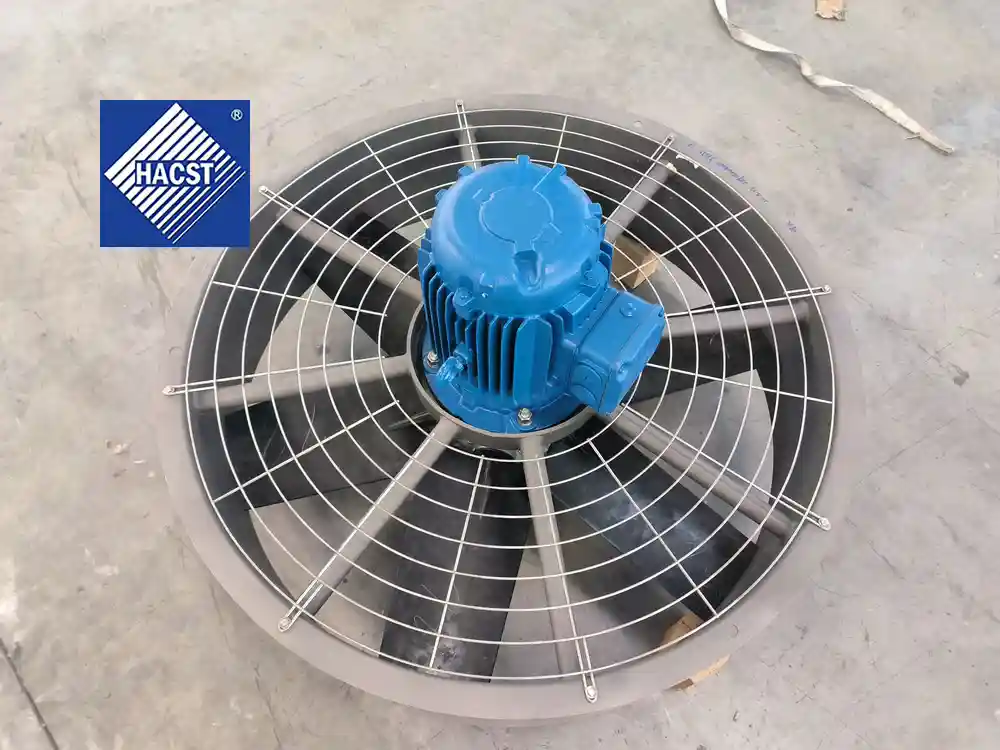
The fan is the driving force of airflow in cooling towers and evaporative condensers. By inducing or forcing air through the fill or coil sections, fans enable evaporative cooling and efficient heat rejection.
Role in Cooling Towers
Fans maintain the required air velocity and distribution across the heat exchange surfaces. Their design directly impacts cooling efficiency, noise levels, and power consumption.
Types of Fans
- Axial Fans: Lightweight, efficient, commonly used in most cooling towers. Available with adjustable pitch for performance tuning.
- Centrifugal Fans: Used where static pressure is high or when low noise operation is required, typically in indoor installations.
Applications
Fans are used in counterflow and crossflow cooling towers, hybrid towers, evaporative condensers, and dry coolers. Selection depends on airflow rate, static pressure, and noise requirements.
How to Select
- For large industrial towers → axial fans with FRP blades are preferred.
- For urban installations → centrifugal fans reduce noise and vibration.
- Choose blade material (aluminum, FRP) based on durability and cost.
Where this solution adds value
Each project is assessed around its operating conditions, environmental requirements and service expectations.
Four inputs for a more accurate equipment selection
- Identify the equipment modelShare the equipment type, existing configuration and intended installation.
- Confirm operating conditionsProvide process medium, temperature, pressure or airflow data as applicable.
- Review material needsIdentify water quality, corrosion exposure and performance requirements.
- Plan service accessConfirm maintenance approach, spare-parts needs and project timing.
Need help with your equipment selection?
Send your operating data and project requirements. HACST will help define a practical cooling solution.